A Short History of Plumbing Pipes for Laguna Beach Homeowners

From lead and cast iron to copper and PEX, pipe materials changed a lot over a century. Here is the story behind what Laguna Beach owners find in their walls.
Open the walls of an older house and you may find several eras of plumbing side by side. Each material tells you something about when the home was built or remodeled. A little background makes inspection reports easier to read. This guide walks through Laguna Beach plumbing history in broad strokes, because plumbing history in Laguna Beach spans more than a century of cottages, remodels and additions.
Early water pipe
People have moved water through pipes for thousands of years. The Romans used lead pipe so widely that the word plumbing comes from the Latin word for lead. In the nineteenth century, many American cities laid cast iron water mains, and homes often used lead or iron service lines. As health concerns grew, lead fell out of favor for drinking water, and federal rules eventually limited lead in pipe, solder and fixtures.
Galvanized steel
In the early and middle twentieth century, galvanized steel became a standard choice for household supply lines. The zinc coating slowed rust, and threaded joints were simple to assemble. Over decades, though, the coating wears and the steel rusts from the inside, narrowing the pipe. Homes still carrying original galvanized lines often show low pressure or rusty water.
Copper takes over
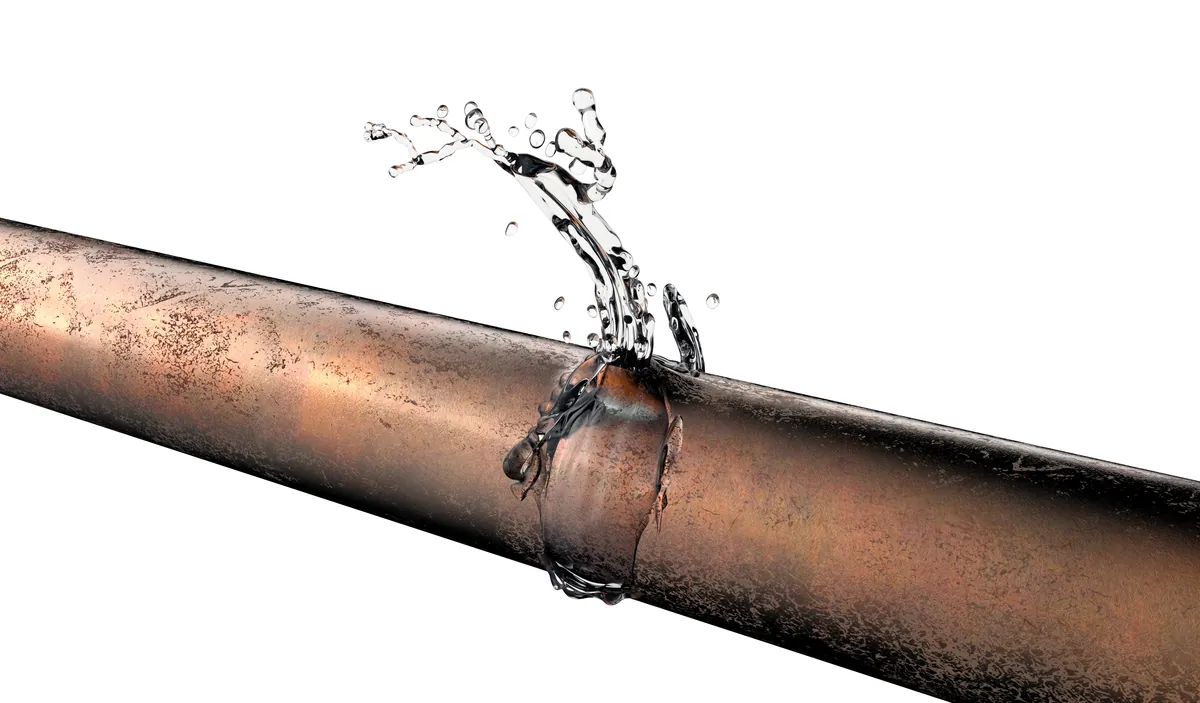
Copper became widespread for water lines after World War II. It was lighter than steel, resisted rust and could be joined with solder. For decades it was the default for new homes. Older copper joints may contain lead-based solder, which was common until lead-free rules arrived in the 1980s. Copper can also pinhole in some water conditions.
Cast iron and plastic drains
For drains, cast iron was the long-time standard because it is heavy, durable and quiet. Beginning around the 1960s and 1970s, plastic drain pipe such as ABS and PVC became common because it is light and easy to join. Many older homes now have a mix of cast iron and plastic drains from repairs and remodels.
The plastic supply era
Plastic supply pipe arrived in the later twentieth century. Polybutylene was used in many homes from the late 1970s into the 1990s before problems with failures led to lawsuits and its decline. CPVC also became common for supply lines. PEX, a flexible cross-linked polyethylene, grew steadily and is now one of the most widely used supply materials in new construction and repipes.
Why the history matters
Pipe material hints at the age and condition of a system. A house with galvanized lines may be nearing the end of their useful life. Polybutylene raises insurance and reliability questions. Copper can still be serviceable, but it is worth checking for pinholes and old solder. Knowing what you have lets you plan instead of react.
Plumbing history in Laguna Beach
Laguna Beach began as an artist colony, and neighborhoods near downtown, in the canyons and along the coast include cottages from the early twentieth century alongside mid-century homes and modern rebuilds. Areas such as Woods Cove, Bluebird Canyon, North Laguna and Top of the World each have their own mix. Many older homes have been remodeled in stages, so it is common to see galvanized, copper and plastic in the same house. Some properties are on the local historic register, which may affect exterior changes. Permits for plumbing work are handled by the City of Laguna Beach, and hillside lots can add access challenges for any project.
Clues to look for
Check pipes near the water heater, under sinks, in crawlspaces and at the main shutoff. Gray threaded pipe usually means galvanized steel. Reddish metal is copper. Gray or blue plastic with a stamped code may be polybutylene. Black plastic drains are often ABS. Taking photos helps a plumber confirm what you have.
A quick wrap-up
Each era left its mark on the houses built during it. Understanding Laguna Beach plumbing history, and knowing how plumbing history in Laguna Beach shows up in your own walls, helps you read reports, budget for updates and talk clearly with contractors.
Quick takeaways
- Lead and cast iron came first; galvanized steel followed.
- Copper dominated after World War II.
- Polybutylene and CPVC came later, then PEX.
- Older homes often have several materials side by side.
Related reading
On this site, see how old your pipes really are and plumbing in 1940s homes. Neighbors can visit Laguna Niguel, Dana Point and Newport Beach, or browse every city at repipeinc.com.
Curious about plumbing history in Laguna Beach?
Request a free quote and talk with a licensed C-36 plumbing contractor about your home. Get my free quote. Our AI system alerts a technician instantly, so you get a fast callback.
Repipe OC, 23821 Hillhurst Drive, Laguna Niguel, CA 92677, (949) 524-2362, CSLB #1087885 C-36.
Repipe OC near you
Not in Laguna Beach? The same crew serves nearby cities. See every city we serve, or jump to a neighboring city:
 Written by Repipe OC · CSLB #1087885 C-36 · 23821 Hillhurst Drive, Laguna Niguel, CA 92677 · (949) 524-2362